
Key Purchasing Points for LLDPE, LDPE, HDPE and UHMWPE, and Reference Applications After Modification
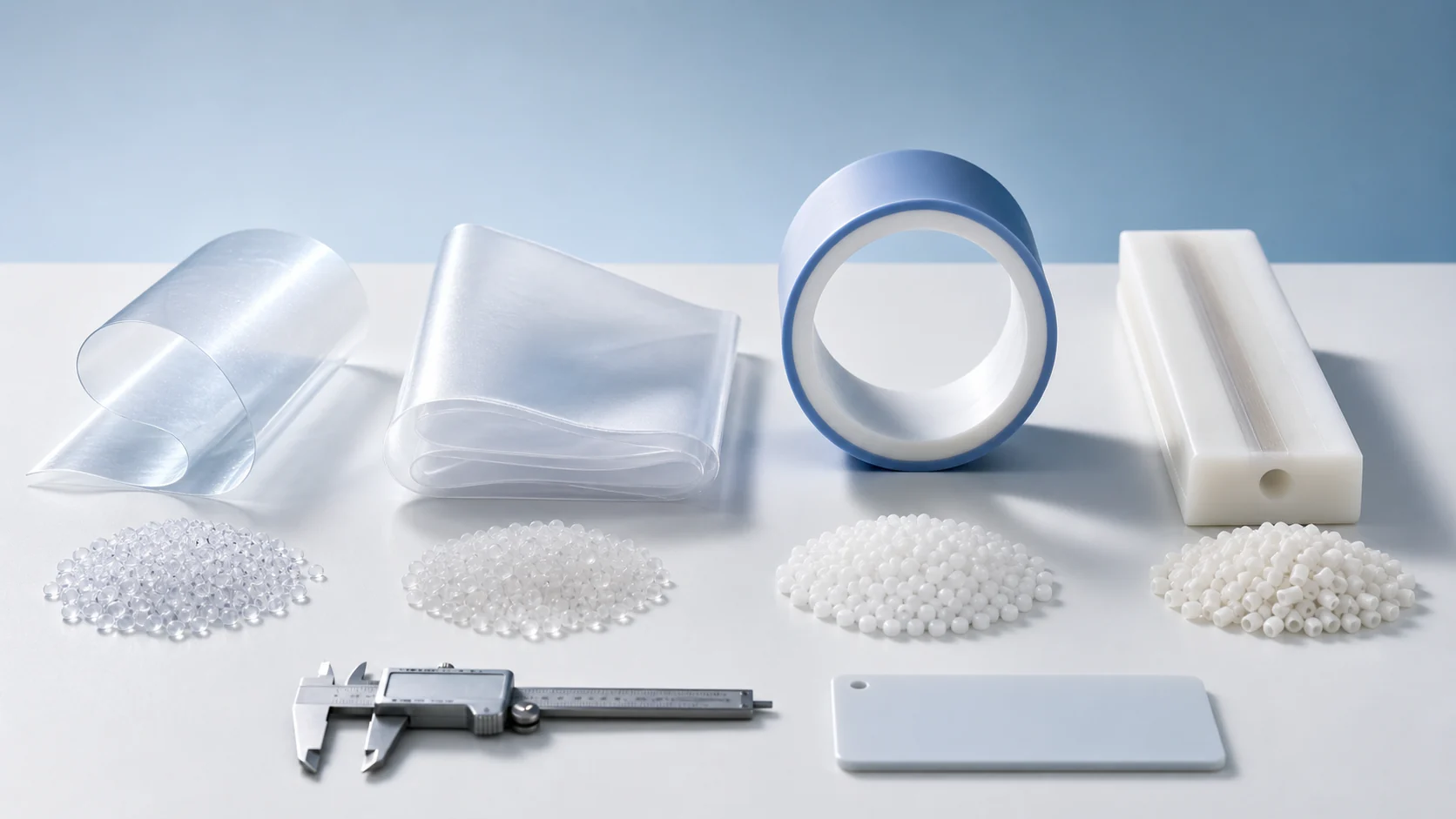
Polyethylene, or PE, is one of the most widely used plastics, but PE is not a single material. LLDPE, LDPE, HDPE and UHMWPE all belong to the polyethylene family, yet their density, molecular structure, crystallinity, melt behavior, flexibility, rigidity, wear resistance and processing methods are very different.
Buyer and engineer FAQ
Questions engineers often ask about this material route
Where can HDPE / LDPE / PE with a conductive plastic requirement be used?
Typical fields include ESD trays, electronic housings, fixtures, EMI parts and antistatic logistics parts. For this article, DEYU would first confirm the working environment, wall thickness, expected lifetime and whether DGK-LDPE DD4-5 Conductive LDPE, Conductive Plastics matches the part geometry or needs formulation adjustment.
What are the main performance indicators for the "conductive plastic" target on HDPE / LDPE / PE?
Focus on surface resistance, volume resistance, dispersion uniformity, impact strength and molding stability. Buyers should ask for data on molded parts, not only pellet data, because gate position, filler orientation and thickness can change the final value.
What should engineers watch during injection molding or processing?
For HDPE / LDPE / PE, a practical starting window is 180-230°C melt / 20-55°C mold. Avoid excessive filler loading, control weld lines and verify resistance on the molded part. Final parameters should follow part thickness, gate design and the actual machine.
What details help DEYU recommend DGK-LDPE DD4-5 Conductive LDPE, Conductive Plastics more accurately?
Send the current resin or grade, drawing or photo, wall thickness, annual quantity, target standard, failure mode and required color. If a reference grade already passed one test but failed in production, include both data sets.
For a precise recommendation, share the part drawing, base resin, target performance, processing method and test standard with DEYU.
1. Background / Problem
Polyethylene, or PE, is one of the most widely used plastics, but PE is not a single material. LLDPE, LDPE, HDPE and UHMWPE all belong to the polyethylene family, yet their density, molecular structure, crystallinity, melt behavior, flexibility, rigidity, wear resistance and processing methods are very different.
DGK-LDPE DD4-5 Conductive LDPE and Conductive Plastics. Use DGK-LDPE DD4-5 as the closest conductive PE reference, and use the conductive plastics category when comparing broader PE, PP, ABS, PA and POM electrical-control material options.
A common purchasing problem is that the buyer only says "we need PE material" without clarifying whether the product is a film, pipe, bottle, sheet, injection-molded part, wear component, conductive part, anti-static packaging, UV-resistant outdoor item, flame-retardant component or low-temperature product.
In real purchasing, LLDPE, LDPE, HDPE and UHMWPE cannot be substituted casually. Buyers should confirm the base resin type, processing method, MFR or molecular weight, density, mechanical requirements, application environment and modification target at the same time.
2. Basic Differences Among LLDPE, LDPE, HDPE and UHMWPE
| Material | Full Name | Structural Feature | Main Properties | Common Processing |
|---|---|---|---|---|
| LLDPE | Linear low-density polyethylene | Linear chains with short branches | Film toughness, puncture resistance and heat sealing | Blown film, cast film, extrusion, injection molding |
| LDPE | Low-density polyethylene | More long-chain branching | Softness, transparency and easy processing | Blown film, extrusion coating, cable compounds, injection molding |
| HDPE | High-density polyethylene | Higher linearity and crystallinity | Rigidity, chemical resistance, impact and low-temperature performance | Blow molding, pipe extrusion, injection molding, sheet extrusion |
| UHMWPE | Ultra-high molecular weight polyethylene | Extremely high molecular weight | Wear resistance, self-lubrication, low friction and impact resistance | Compression molding, ram extrusion, machining, sheet processing |
3. Key Purchasing Points for LLDPE and LDPE
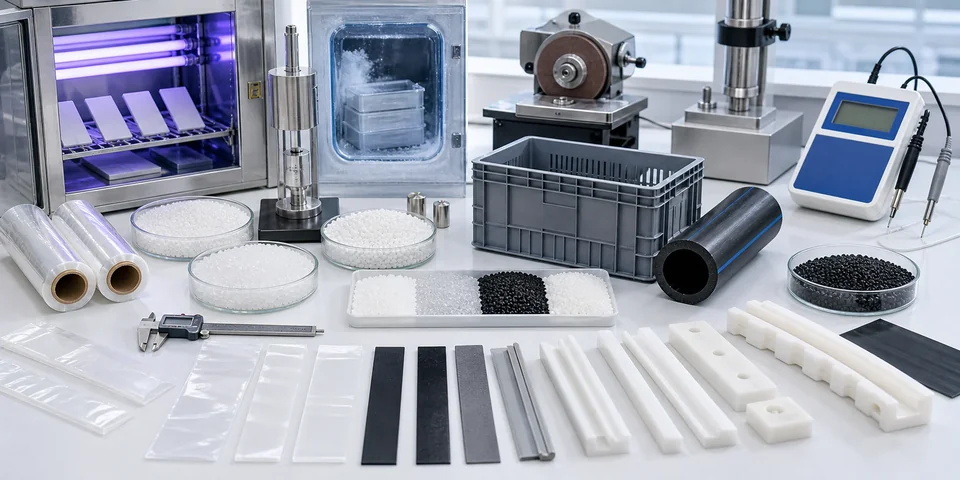
LLDPE is commonly used in stretch film, packaging film, agricultural film, cable sheathing and flexible molded parts. Buyers should check melt flow rate, density, comonomer type, tensile strength, tear strength, puncture resistance, heat-sealing window, transparency, processing stability and additive system.
LDPE is more focused on softness, transparency, coating stability, heat sealing and flexible packaging behavior. Buyers should check MFR, density, haze, sealing temperature, elongation, electrical insulation, low-temperature flexibility, odor, blooming and compatibility with slip, anti-blocking, anti-static or color masterbatch systems.
| Modification Direction | LLDPE Application Reference | LDPE Application Reference |
|---|---|---|
| Anti-static | Electronic packaging film, powder packaging, clean packaging | Packaging bags, daily-use packaging, ESD flexible packaging |
| Conductive | ESD film, conductive bags, functional film | Conductive flexible packaging, low-resistance molded products |
| UV-resistant | Agricultural film, outdoor covering film | Outdoor packaging film |
| Flame-retardant | Cable sheath and industrial film direction | Cable compounds and protective sheathing |
| Low-temperature | Cold-chain film and packaging | Frozen packaging and low-temperature soft tubes |
4. Key Purchasing Points for HDPE
HDPE has higher density and crystallinity. It is widely used in bottles, drums, pipes, crates, pallets, injection-molded structural parts, sheets, containers and industrial components.
The purchasing point is not only MFR. Blow molding, injection molding, pipe extrusion and sheet extrusion require different grades. ESCR, impact strength, flexural modulus, chemical resistance, low-temperature performance, carbon black dispersion and processing method must be confirmed.
| Modification Direction | Main Purpose | Application Reference |
|---|---|---|
| UV-resistant HDPE | Outdoor weatherability | Outdoor drums, pipes, pallets and sheets |
| Conductive HDPE | Static dissipative or conductive behavior | Anti-static drums, conductive pipes and ESD containers |
| Anti-static HDPE | Lower dust attraction | Crates, containers and packaging parts |
| Flame-retardant HDPE | Fire-performance direction | Industrial pipes, cable protection and special containers |
| Wear-resistant HDPE | Sliding and wear performance | Sliding plates, liners, guide rails and industrial pads |
| Reinforced HDPE | Rigidity and dimensional stability | Structural injection parts, brackets and housings |
5. Key Purchasing Points for UHMWPE
UHMWPE has a much higher molecular weight than ordinary PE. It is selected for excellent wear resistance, low friction, self-lubrication, impact resistance and low-temperature performance.
Its purchasing logic is different from LLDPE, LDPE and HDPE. Ordinary PE is often selected by MFR, while UHMWPE has extremely low melt flow and is normally selected by molecular weight range, powder particle size, processing method and application load.
Important indicators include viscosity-average molecular weight, wear resistance, friction coefficient, impact strength, dimensional stability, compression molding or ram extrusion suitability, machining behavior, load, speed, temperature, humidity and mating material.
Typical modified UHMWPE directions include anti-static slide rails, conductive liners, UV-resistant outdoor sliding boards, flame-retardant conveyor parts, wear-enhanced liners, low-friction guide strips and colored sheets for identification.
6. Purchasing Focus Comparison
| Comparison Item | LLDPE | LDPE | HDPE | UHMWPE |
|---|---|---|---|---|
| Main purchasing logic | Film toughness, puncture resistance and heat sealing | Softness, transparency and extrusion stability | Rigidity, chemical resistance, containers and pipes | Molecular weight, wear resistance and low friction |
| Core indicators | MFR, density, comonomer, film properties | MFR, density, haze, sealing behavior | MFR, density, ESCR, impact and processing grade | Molecular weight, particle size, friction and wear |
| Common processing | Blown film, cast film, extrusion | Blown film, coating, extrusion, injection | Blow molding, injection, pipe, sheet | Compression molding, ram extrusion, machining |
| Common mistake | Buying only by price | Ignoring heat sealing or blooming | Mixing blow molding, injection and pipe grades | Purchasing it like ordinary PE and ignoring molecular weight |
7. Modified PE Application References
| Modification Direction | LLDPE | LDPE | HDPE | UHMWPE |
|---|---|---|---|---|
| Conductive / anti-static | ESD film and powder packaging | Conductive bags and anti-static flexible packaging | Anti-static drums, conductive pipes and crates | Conductive slide rails, ESD wear parts and liners |
| UV-resistant | Agricultural film and outdoor covering film | Outdoor packaging film | Outdoor drums, pipes, pallets and sheets | Outdoor sliding boards, fenders and sports facilities |
| Flame-retardant | Industrial film and cable sheath | Cable compounds | Industrial pipes and containers | Mining liners and rail or conveyor components |
| Wear-resistant / low-friction | Flexible sliding film direction | Low-friction soft parts | Sliding plates, liners and guide rails | High-wear liners, guide strips and chain guides |
| Low-temperature | Cold-chain film | Frozen packaging and soft tubes | Cold-chain boxes and outdoor containers | Low-temperature impact wear parts |
8. DEYU Modified PE Material Direction
DEYU can support modified material development and small-batch validation based on LLDPE, LDPE, HDPE and UHMWPE. The project route is selected according to base resin, processing method, target resistance, outdoor exposure, flame-retardant requirement, wear condition, low-temperature use and cost target.
| DEYU Direction | Base Resin | Material Positioning | Suitable Applications |
|---|---|---|---|
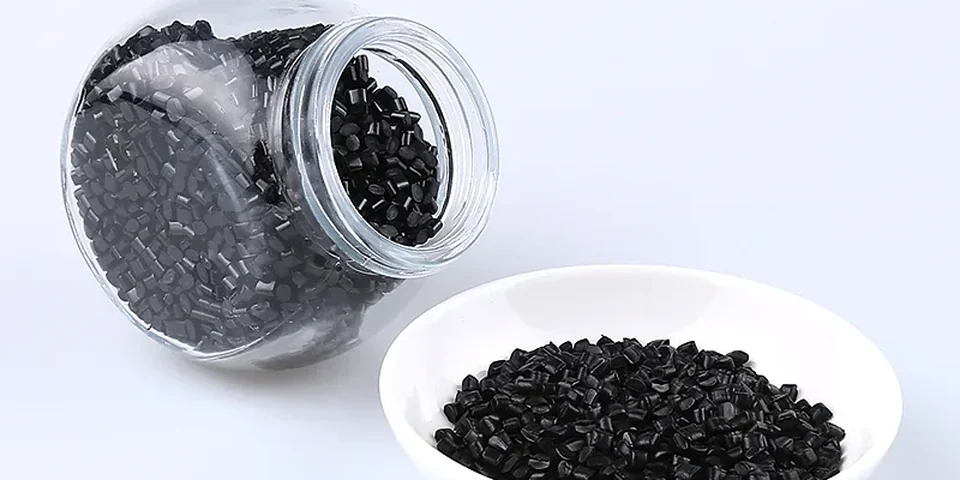
| DGK-LDPE DD4-5 | LDPE | Conductive LDPE with 10^3-10^5 ohm resistance direction | Flexible ESD parts, antistatic packaging and low-resistance molded products |
| Anti-static PE direction | LDPE / LLDPE / HDPE | Static-control PE for packaging and containers | Film, bags, crates, containers and clean turnover parts |
| UV-resistant HDPE direction | HDPE | Outdoor weatherable PE | Drums, pipes, pallets and outdoor sheets |
| Wear-resistant UHMWPE direction | UHMWPE | Low-friction and high-wear PE | Guide rails, liners, sliders and chain guides |
9. Reference Product Data Table
| Item | Modified LLDPE | Modified LDPE | Modified HDPE | Modified UHMWPE |
|---|---|---|---|---|
| Base resin | LLDPE | LDPE | HDPE | UHMWPE |
| Modification route | Anti-static, conductive, UV or film additive | Anti-static, conductive, flame-retardant or flexible | UV, ESD, conductive, flame-retardant, reinforced or wear-resistant | Wear-resistant, anti-static, conductive, UV or flame-retardant |
| Processing method | Blown film, cast film, extrusion | Blown film, coating, extrusion, injection molding | Blow molding, injection molding, pipe extrusion or sheet | Compression molding, ram extrusion or machining |
| Electrical target | According to anti-static or conductive requirement | DGK-LDPE DD4-5 reference: 10^3-10^5 ohm | According to anti-static or conductive requirement | According to anti-static or conductive requirement |
| Typical applications | ESD film, packaging film, agricultural film | Conductive packaging, cable, flexible film | Outdoor containers, pipes, trays, structural parts | Wear strips, liners, guide rails, sliding parts |
10. Internal Validation Scenario: Anti-Static HDPE Crate
The following is an anonymized DEYU internal validation scenario. It explains the material selection logic and does not disclose a customer report.
An industrial packaging customer used ordinary HDPE for crates and containers. Rigidity and load-bearing performance were acceptable, but when powder materials, electronic components and small plastic parts were handled, the inner wall of the container attracted dust and fine particles. The target was to reduce static attraction while keeping injection molding stability.
| Validation Item | Ordinary HDPE Direction | Anti-Static HDPE Trial Direction | Engineering Interpretation |
|---|---|---|---|
| Surface resistance | Above 10^13 ohm direction | 10^7-10^10 ohm target direction | Anti-static HDPE reduced charge accumulation on the container surface |
| Dust or fine-particle adhesion | 25-40% observed direction | 8-18% observed direction | Dust adhesion tendency decreased |
| Cleaning frequency | 2-3 times per shift | 0-1 time per shift | Cleaning before packaging and turnover decreased |
| Injection scrap rate | 3-5% observed direction | 2-4% observed direction | Injection stability remained close to the original HDPE process |
| Warpage feedback | 2-4% observed direction | 1-3% observed direction | Material and processing-window adjustment helped control shrinkage and warpage |
For industrial packaging, electronic component turnover, powder packaging and cleaner logistics environments, anti-static HDPE should be validated by part-level resistance, dust adhesion, cleaning frequency, drop performance and warpage feedback.
11. What Buyers Should Provide
| Buyer Input | Why It Matters |
|---|---|
| PE type | LLDPE, LDPE, HDPE and UHMWPE have different processing and performance logic |
| Processing method | Film, injection molding, blow molding, pipe extrusion, sheet, compression molding and machining need different material choices |
| Target function | Anti-static, conductive, UV-resistant, flame-retardant, wear-resistant, low-temperature or reinforced direction changes formulation |
| Product drawing | Wall thickness, size and structure affect flow, shrinkage, resistance and strength |
| Use environment | Outdoor exposure, low temperature, chemical contact, dust, friction and load affect selection |
| Test standards | Aging, flame retardancy, wear, resistance, impact and drop tests should be defined early |
| Monthly usage | Helps evaluate cost, supply stability and whether custom development is suitable |
12. Conclusion
LLDPE, LDPE, HDPE and UHMWPE all belong to polyethylene, but their purchasing logic is very different. LLDPE is more suitable for film toughness and heat sealing. LDPE is more suitable for softness, transparency and extrusion processing. HDPE is more suitable for rigid containers, pipes, structural parts and outdoor components. UHMWPE is more suitable for wear resistance, low friction, self-lubrication and industrial sliding applications.
Modified PE can support conductive, anti-static, UV-resistant, flame-retardant, wear-resistant, low-temperature, reinforced and clean-packaging directions. DEYU can support modified polyethylene development and validation through material selection, sample trials, molded part testing and processing adjustment.